
The Importance of Spinal Resilience
Your spine is the structural foundation of your body, supporting posture, movement, and protecting the nervous system. In today’s modern lifestyle, prolonged sitting, device use, and repetitive movements place continuous stress on spinal structures.
Spinal resilience refers to the spine’s ability to withstand daily stresses, maintain alignment, and allow optimal function of the muscles, joints, and nervous system. Developing and maintaining this resilience is essential for long-term spinal health and overall wellbeing.
Chiropractic care, combined with movement and lifestyle strategies, plays a crucial role in supporting spinal resilience. This article explores the mechanisms behind spinal resilience, the effects of modern habits on the spine, and how chiropractic care and daily practices can help maintain structural integrity and functional capacity.
Understanding Spinal Resilience
Spinal resilience is the ability of the spine to absorb stress, maintain its natural curves, and return to optimal alignment after movement or loading. It relies on three main components:
Structural Support – The vertebrae, discs, and ligaments form a stable framework for the spine.
Muscle Function – Deep postural muscles stabilise the spine, while larger muscles control movement.
Nervous System Regulation – The spinal cord and peripheral nerves coordinate posture, movement, and reflexes.
When these components work together effectively, the spine can handle physical stresses from work, exercise, or daily activities without excessive strain or injury.
The Impact of Modern Lifestyles on Spinal Resilience
Contemporary life presents unique challenges to the spine. Even when pain is absent, daily habits can gradually reduce spinal resilience:
Sedentary Behaviour
Extended periods of sitting, whether at work, school, or leisure, weaken postural muscles and place uneven pressure on spinal structures. This can compromise spinal stability over time.
Device Use
Smartphones, tablets, and laptops encourage forward head posture and rounded shoulders. Sustained positioning in these postures increases stress on the cervical and thoracic spine.
Repetitive Movements
Tasks such as prolonged typing, lifting, or reaching without proper technique may place repetitive stress on spinal joints and supporting tissues. Over time, this can affect the spine’s ability to maintain proper alignment under load.
Poor Sleep Habits
Sleeping on unsupportive mattresses or using pillows that do not maintain the natural curve of the neck can perpetuate postural strain, reducing recovery and resilience.
The Role of Movement in Building Spinal Resilience
Movement is a fundamental component of spinal health. Regular, purposeful movement supports structural stability, muscular endurance, and joint mobility.
Benefits of Movement
Joint Health: Gentle motion keeps spinal joints lubricated and nourished, reducing stiffness.
Muscle Activation: Strengthens both deep stabilising muscles and larger postural muscles.
Neurological Input: Movement stimulates the nervous system, enhancing coordination and reflexive spinal support.
Circulation: Promotes blood flow to spinal tissues, supporting tissue health and recovery.
Recommended Movement Strategies
Micro-Breaks – Stand, stretch, or walk every 20–30 minutes during prolonged sitting.
Postural Exercises – Chin tucks, scapular retractions, and thoracic extensions help reinforce neutral spinal alignment.
Core Engagement – Gentle exercises that activate abdominal and back muscles stabilise the lumbar spine.
Flexibility and Mobility – Stretching the chest, hip flexors, and hamstrings reduces compensatory strain on the spine.
Regular Physical Activity – Walking, swimming, or low-impact exercises support overall spinal endurance and resilience.
How Chiropractic Care Supports Spinal Resilience
Chiropractic care complements movement strategies by ensuring that spinal structures are aligned, joints move effectively, and the nervous system functions optimally.
Alignment and Joint Function
Chiropractors assess spinal alignment and apply gentle adjustments to restore proper joint motion. This helps maintain neutral spinal curves and reduces uneven loading that may compromise spinal resilience.
Muscle Balance and Function
Misaligned joints can lead to compensatory muscle tension. Chiropractic adjustments encourage balanced muscular activation, supporting postural stability and reducing fatigue.
Nervous System Support
The spine houses and protects the spinal cord, a critical component of the nervous system. Proper alignment allows nerves to communicate effectively with muscles and organs, contributing to overall functional resilience.
Preventive Care
Regular chiropractic assessments can detect subtle misalignments or restrictions before they cause symptoms. This proactive approach supports long-term spinal integrity, even in the absence of pain.
Daily Habits That Complement Chiropractic Care
Building spinal resilience is most effective when chiropractic care is paired with conscious daily practices.
Ergonomic Workspace Setup
Ensure monitors are at eye level.
Use chairs that provide lumbar support.
Keep feet flat on the floor and elbows at a 90-degree angle.
Avoid prolonged forward head posture.
Postural Awareness
Sit and stand with shoulders relaxed and back straight.
Engage core muscles during static positions.
Avoid crossing legs for extended periods.
Sleep Support
Use a pillow that maintains the natural curve of the neck.
Sleep on your back or side rather than your stomach.
Choose a mattress that supports spinal alignment without sagging.
Movement and Stretching
Incorporate daily stretches for the neck, shoulders, thoracic spine, and hips.
Take micro-breaks during prolonged sitting or standing tasks.
Engage in regular low-impact exercise to strengthen postural muscles.
Long-Term Benefits of Maintaining Spinal Resilience
Investing in spinal resilience has wide-ranging benefits for overall health and quality of life:
Reduced Risk of Pain and Discomfort: Maintaining alignment and muscle balance reduces strain on the spine.
Enhanced Postural Efficiency: A resilient spine adapts to movement and load more effectively.
Improved Nervous System Function: Proper alignment ensures efficient communication between the brain and body.
Support for Daily Activities: Increased strength, mobility, and endurance improve functional capacity for work, exercise, and leisure.
Prevention of Degenerative Changes: Proper alignment and movement patterns reduce the likelihood of long-term structural deterioration.
The Importance of Early and Proactive Care
Spinal resilience is easier to maintain than restore. Regular chiropractic assessments and adjustments can identify subtle alignment issues and support corrective strategies before structural changes occur.
Even without pain or discomfort, proactive care ensures:
Spinal joints are moving correctly.
Muscles remain balanced and engaged.
Postural habits do not compromise spinal health.
Nervous system communication remains uninterrupted.
This preventative approach aligns with modern chiropractic principles and supports long-term wellbeing.
Integrating Movement and Chiropractic for a Strong Spine
Spinal resilience is essential in the context of modern lifestyles, where prolonged sitting, device use, and repetitive movements place constant stress on the body. By integrating consistent movement, postural awareness, and chiropractic care, you can maintain spinal alignment, enhance nervous system function, and protect your body from long-term structural stress.
Prioritising spinal resilience today ensures that your spine can adapt effectively to daily demands, supports overall health, and helps prevent the gradual effects of postural strain.
Regular chiropractic assessments, even in the absence of pain, provide the guidance and support necessary to maintain spinal integrity and promote long-term wellbeing. By combining professional care with daily strategies, you empower your spine to remain strong, flexible, and resilient for the years to come.
This information is general in nature and does not take into consideration your circumstances and current health. Please consult one of our chiropractors for more tailored advice for you.
References
Harrison, D. E., Harrison, D. D., & Janik, T. J. (2004). Chiropractic BioPhysics technique: A systematic review of clinical and radiographic outcomes. Journal of Chiropractic Medicine, 3(4), 157–165.
Falla, D., O’Leary, S., Farina, D., & Jull, G. (2011). The change in deep cervical flexor activity after training is associated with the degree of pain reduction in patients with chronic neck pain. Clinical Journal of Pain, 27(7), 628–634.
Kuo, Y. L., Tully, E. A., & Galea, M. P. (2009). Sagittal spinal posture after pilates-based exercise in healthy older adults. Spine, 34(10), 1046–1051.
Neupane, S., Ali, U. T., & Mathew, A. (2017). Text neck syndrome—Systematic review. Imperial Journal of Interdisciplinary Research, 3(7), 141–148.
Hansraj, K. K. (2014). Assessment of stresses in the cervical spine caused by posture and position of the head. Surgical Technology International, 25, 277–279.
Grab Our New Patient Offer Today
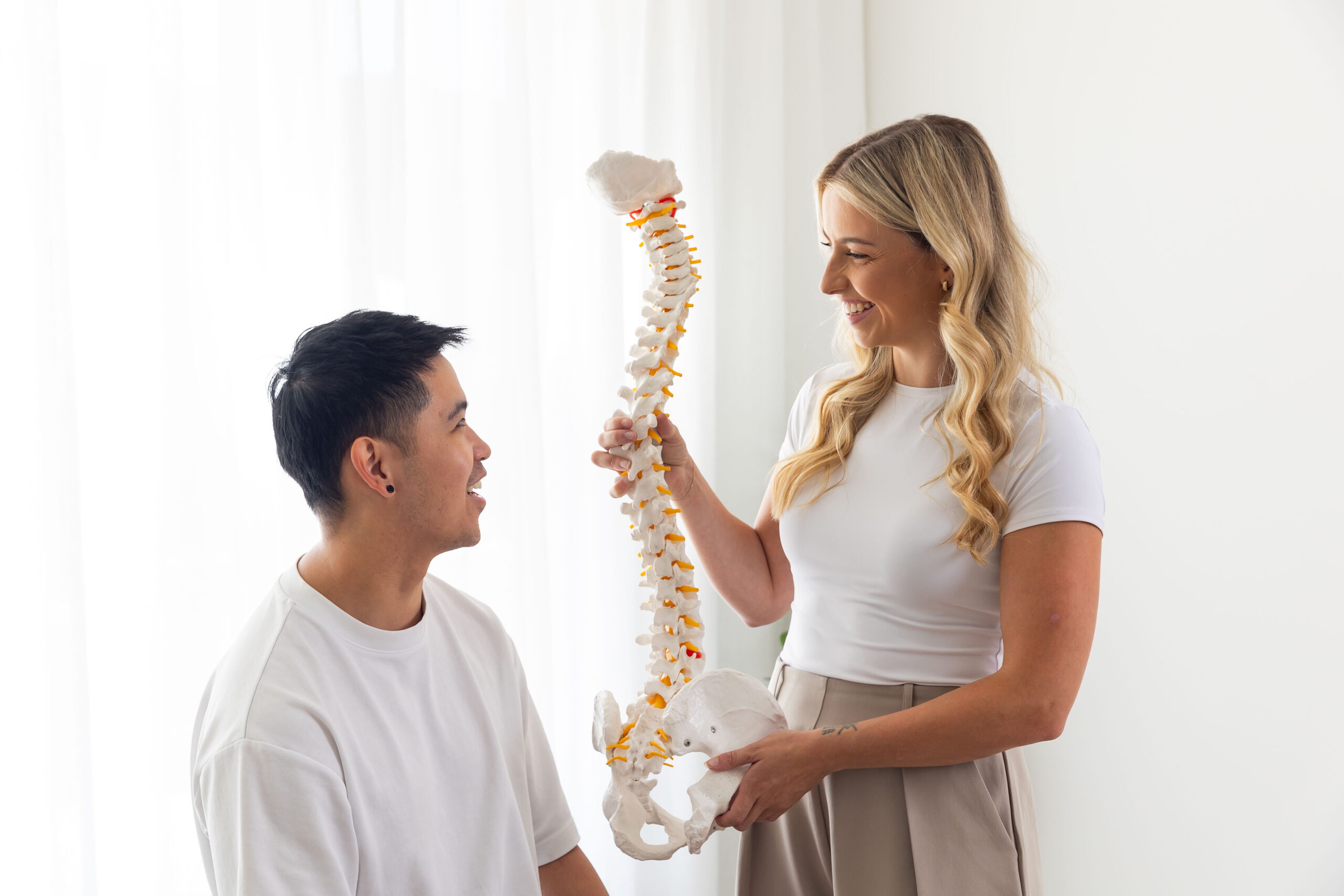

We’re thrilled to introduce our special New Patient Chiropractic Offer designed exclusively for individuals like you who are seeking relief from discomfort and a path to long-term wellness:
- Comprehensive health history to uncover the root cause of your discomfort, paving the way for effective treatment
- Health goal setting
- A thorough examination process including range of motion, orthopedic and neurological testing
- Posture analysis
- Referral for diagnostic imaging if clinically indicated
- Report of findings visit to go through results and recommendations to help facilitate your health goals
For Only $109
Our Team
Our team at Future Chiropractic are mission driven and dedicated to providing high quality care to all members of our community. We are goal orientated which gives us the guidance necessary to help you get to where you want to be and live the life you want to live.