
Our daily posture and stress levels are closely linked to the health and function of the spine and nervous system. In modern life, extended periods of desk work, mobile device use, and mental or emotional stress can negatively affect spinal alignment and nervous system function.
Chiropractic care focuses on optimising spinal alignment to support the nervous system, promote efficient movement, and reduce tension throughout the body. This article explores how posture and stress interact, their impact on the nervous system, and how chiropractic care, combined with lifestyle strategies, can support long-term spinal health.
The Spine and Nervous System: A Vital Relationship
The spine does more than provide structural support; it protects the spinal cord, a crucial part of the central nervous system. The spinal cord communicates signals between the brain and the rest of the body, controlling movement, organ function, and sensation.
Maintaining proper spinal alignment ensures that this communication is as efficient as possible. Misalignments, altered curvature, or joint restrictions can place additional strain on muscles and connective tissues, potentially affecting nervous system function.
How Posture Affects the Spine and Nervous System
Posture is the alignment of the body in space, and prolonged poor posture can contribute to both structural and functional changes in the spine.
Forward Head Posture
Forward head posture occurs when the head moves in front of the shoulders. This posture increases the load on cervical vertebrae and muscles, potentially affecting spinal alignment and nerve pathways.
Rounded Shoulders and Thoracic Kyphosis
Slouched or rounded shoulders can exaggerate the thoracic curve, resulting in uneven muscular tension and altered spinal mechanics. This may influence how signals travel along nerves in the upper back and neck region.
Lumbar Stress from Sitting
Prolonged sitting, especially with poor lower back support, can increase lumbar curvature and place additional pressure on lumbar discs and surrounding structures. This can affect the nerves exiting the lower spine and influence lower body function.
The Role of Stress in Postural Health
Stress is not only a mental state; it can manifest physically, influencing posture and spinal health.
Muscle Tension
Chronic stress increases muscle tension, particularly in the neck, shoulders, and back. Tight muscles can restrict joint movement, affect posture, and place additional strain on the spine.
Breathing Patterns
Stress can alter breathing patterns, leading to shallow or uneven breathing. Poor breathing mechanics may contribute to postural changes, particularly in the thoracic and cervical regions.
Fatigue and Movement Patterns
When stressed, individuals may unconsciously adopt protective or collapsed postures. Over time, these positions can reinforce postural misalignment and reduce spinal resilience.
Integrating Movement and Lifestyle Strategies
Daily habits play a significant role in supporting spinal alignment, reducing tension, and maintaining nervous system function.
Ergonomic Practices
Maintain monitor height at eye level.
Use chairs with lumbar support.
Keep feet flat on the floor and shoulders relaxed.
Take micro-breaks to move and stretch throughout the day.
Postural Awareness
Engage core muscles when sitting or standing.
Avoid crossing legs or leaning to one side for extended periods.
Check posture regularly and adjust as needed.
Stress Management
Incorporate breathing exercises to reduce muscle tension.
Schedule regular movement breaks to prevent prolonged stress on spinal structures.
Consider mindfulness or relaxation techniques to support overall nervous system function.
Physical Activity
Low-impact exercises such as walking, swimming, or yoga enhance mobility and posture.
Strengthening exercises for postural muscles (upper back, shoulders, core) support spinal alignment.
Flexibility exercises counteract tightness from static positions and stress.
Chiropractic Care and Spinal Health
Chiropractic care supports spinal alignment, joint mobility, and nervous system efficiency. It plays an important role in maintaining posture and resilience in the presence of modern lifestyle stressors.
Spinal Assessment
Chiropractors assess posture, spinal alignment, and joint function to identify areas that may be affected by stress or repetitive habits.
Adjustments
Gentle chiropractic adjustments restore proper spinal alignment, allowing joints and muscles to function effectively. This helps reduce strain on postural muscles and supports the nervous system.
Posture Education
Chiropractors provide guidance on maintaining good posture during daily activities, including device use, workstations, and recreational activities.
Preventive Approach
Regular chiropractic assessments, even in the absence of pain, support long-term spinal integrity and reduce the cumulative effects of stress and poor posture on the nervous system.
Daily Practices to Support Chiropractic Care
Combining chiropractic care with lifestyle strategies ensures optimal spinal health and nervous system function.
Movement and Stretching
Chin tucks and scapular retractions strengthen postural muscles.
Thoracic extensions counteract forward slouching.
Hip and hamstring stretches reduce compensatory lumbar stress.
Ergonomics
Adjust screen height and chair position.
Use supportive pillows and mattresses for spinal alignment during sleep.
Avoid prolonged static postures; move frequently.
Stress Reduction Techniques
Deep breathing and meditation reduce muscle tension and support posture.
Gentle stretching relieves physical manifestations of stress.
Mindful posture checks encourage awareness and adjustment throughout the day.
The Long-Term Benefits of Spinal and Nervous System Support
Maintaining spinal alignment and nervous system efficiency offers wide-ranging benefits:
Improved Posture: Reduced musculoskeletal strain and better functional alignment.
Enhanced Nervous System Function: Clearer communication between the brain and body supports coordination and overall health.
Reduced Tension: Balanced musculature and joint function decrease chronic strain on muscles and connective tissue.
Sustained Mobility: Greater flexibility and range of motion improve movement efficiency and reduce the risk of injury.
Preventive Health: Early detection of misalignments helps maintain long-term spinal integrity, even without symptoms.
Proactive Approach: Don’t Wait for Pain
Many individuals only seek spinal care once discomfort develops. However, structural changes and postural strain can occur well before pain arises.
Regular chiropractic assessments help identify subtle misalignments, muscle imbalances, and joint restrictions, supporting:
Neutral spinal curves
Balanced muscle activation
Efficient nervous system communication
Postural stability and long-term spinal resilience
Taking a proactive approach helps safeguard spinal health, supports overall wellbeing, and enhances functional capacity in everyday life.
Integrating Posture, Stress Management, and Chiropractic Care
Modern life presents multiple challenges to spinal health. Poor posture, prolonged sitting, device use, and stress can reduce spinal resilience and impact nervous system function.
Chiropractic care plays a key role in supporting alignment, joint mobility, and nervous system efficiency. When combined with posture-conscious habits, regular movement, and stress management strategies, chiropractic care helps maintain long-term spinal health, posture, and functional capacity.
Even in the absence of pain, proactive spinal checks support structural integrity and allow your body to adapt effectively to the physical and mental demands of modern life.
This information is general in nature and does not take into consideration your health or current circumstances. Please book an assessment with our chiropractors for more tailored recommendations.
References
Hansraj, K. K. (2014). Assessment of stresses in the cervical spine caused by posture and position of the head. Surgical Technology International, 25, 277–279.
Neupane, S., Ali, U. T., & Mathew, A. (2017). Text neck syndrome—Systematic review. Imperial Journal of Interdisciplinary Research, 3(7), 141–148.
Falla, D., O’Leary, S., Farina, D., & Jull, G. (2011). The change in deep cervical flexor activity after training is associated with the degree of pain reduction in patients with chronic neck pain. Clinical Journal of Pain, 27(7), 628–634.
Harrison, D. E., Harrison, D. D., & Janik, T. J. (2004). Chiropractic BioPhysics technique: A systematic review of clinical and radiographic outcomes. Journal of Chiropractic Medicine, 3(4), 157–165.
Kuo, Y. L., Tully, E. A., & Galea, M. P. (2009). Sagittal spinal posture after pilates-based exercise in healthy older adults. Spine, 34(10), 1046–1051.
Grab Our New Patient Offer Today
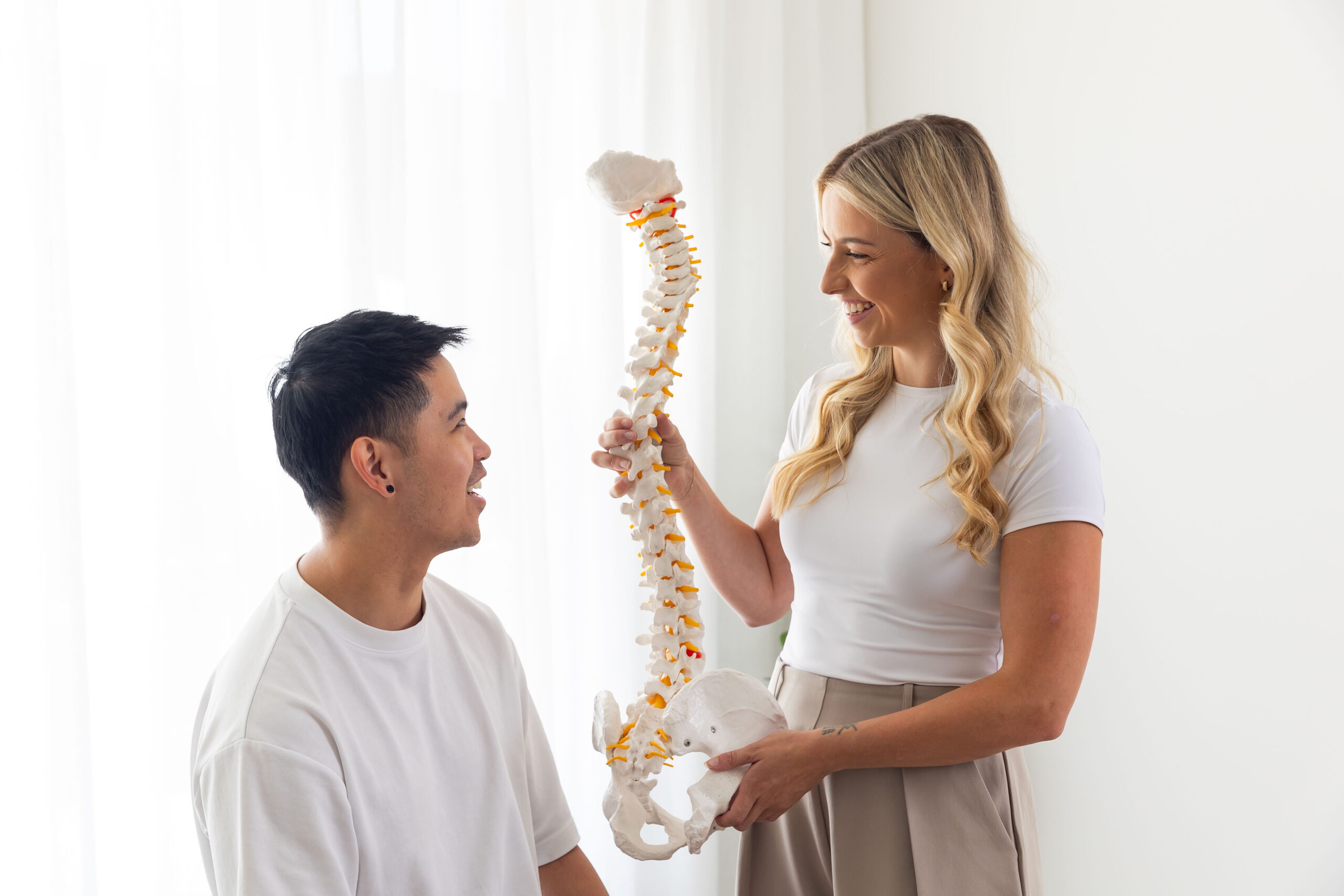

We’re thrilled to introduce our special New Patient Chiropractic Offer designed exclusively for individuals like you who are seeking relief from discomfort and a path to long-term wellness:
- Comprehensive health history to uncover the root cause of your discomfort, paving the way for effective treatment
- Health goal setting
- A thorough examination process including range of motion, orthopedic and neurological testing
- Posture analysis
- Referral for diagnostic imaging if clinically indicated
- Report of findings visit to go through results and recommendations to help facilitate your health goals
For Only $109
Our Team
Our team at Future Chiropractic are mission driven and dedicated to providing high quality care to all members of our community. We are goal orientated which gives us the guidance necessary to help you get to where you want to be and live the life you want to live.